
Your Custom Text Here
TONSPUR_display
Museumsquartier Wien
20.4 - 3. 6 2026
MQ Artist- in Residence April 2026
In his autobiography “I Confess That I Have Lived,” Pablo Neruda writes: The best thing I have collected in my life was my seashells. They enchanted me immensely with their wonderful structure: the moon-white purity of a rare porcelain combined with the great diversity of forms, adequate, gothic, functional. It is also worth noting that Sigmund Freud loved collecting seashells and that Carl Jung said in one of his lectures that all objects of our desire “tend to pull the ego out of its comfortable shell”.
Many of us have learned that it is the sea that is heard when we hold the shell of a mussel against our ear. There, between the two shells; the ear shell and the seashell something happens. A concentration – a meeting – an expectation that is awakened. The ability to carry with it a memory of a sound – a wave. The truth is that what is heard in the shell is sound from outside that resonates in the convolutions of the shell.
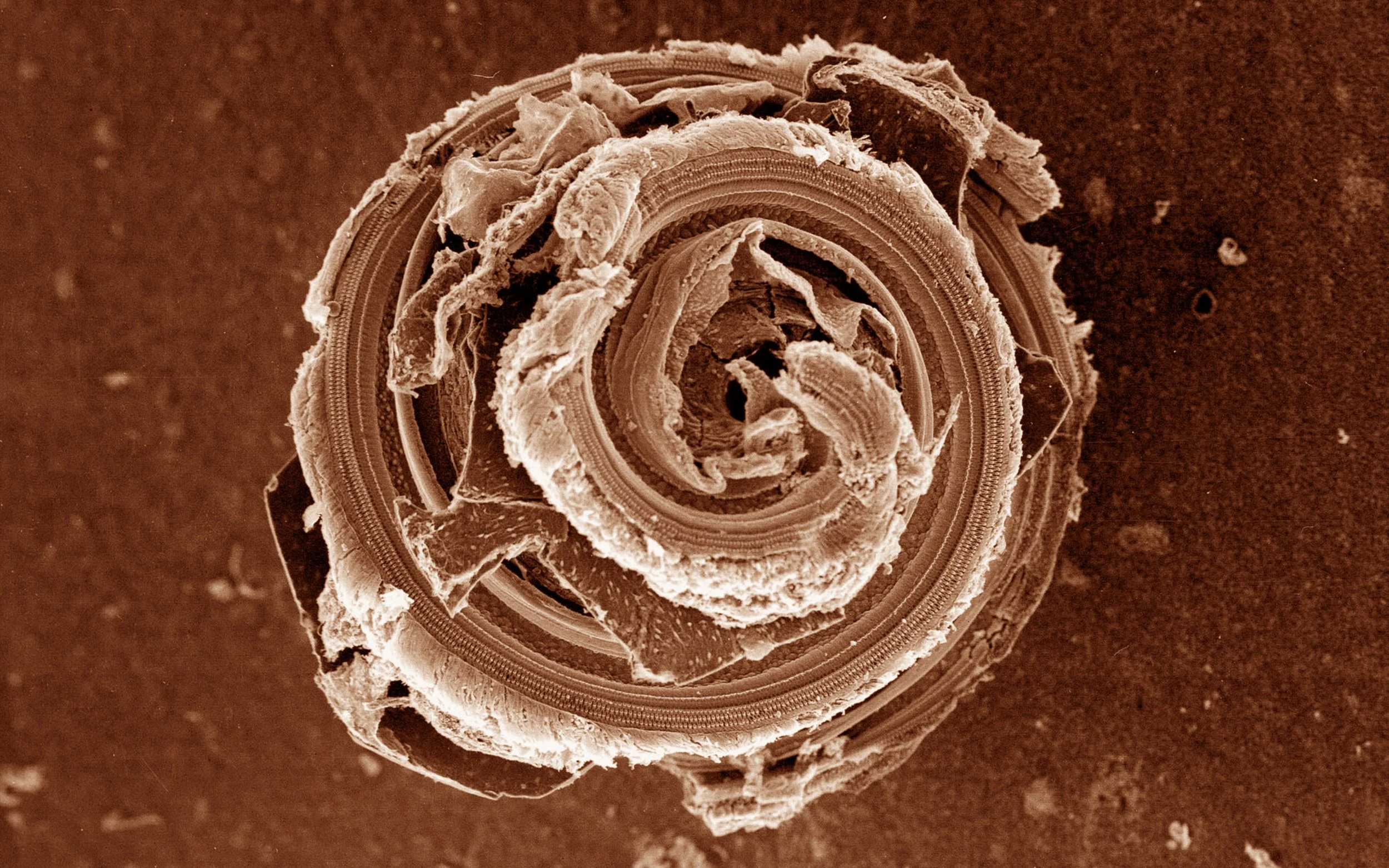
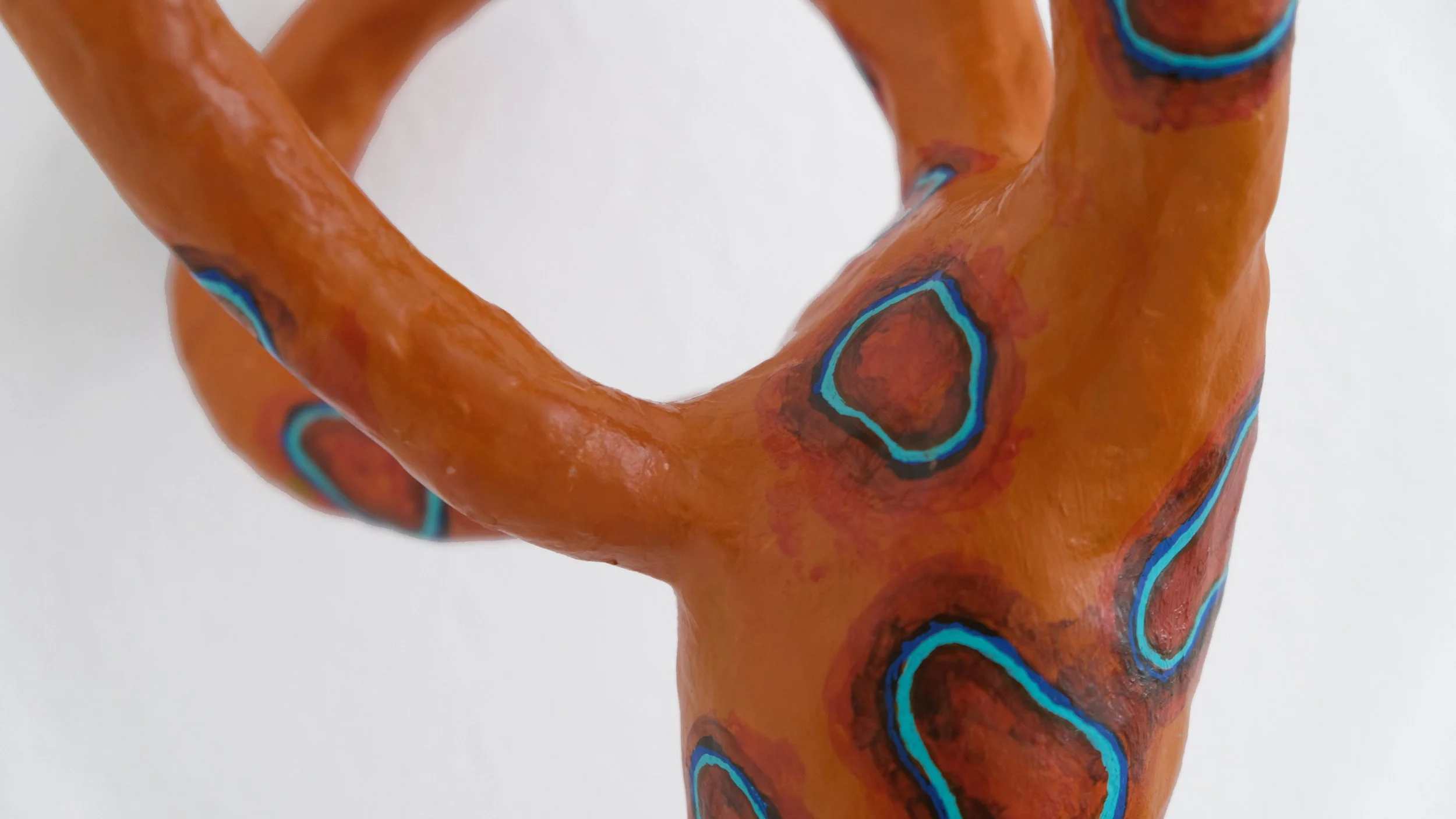
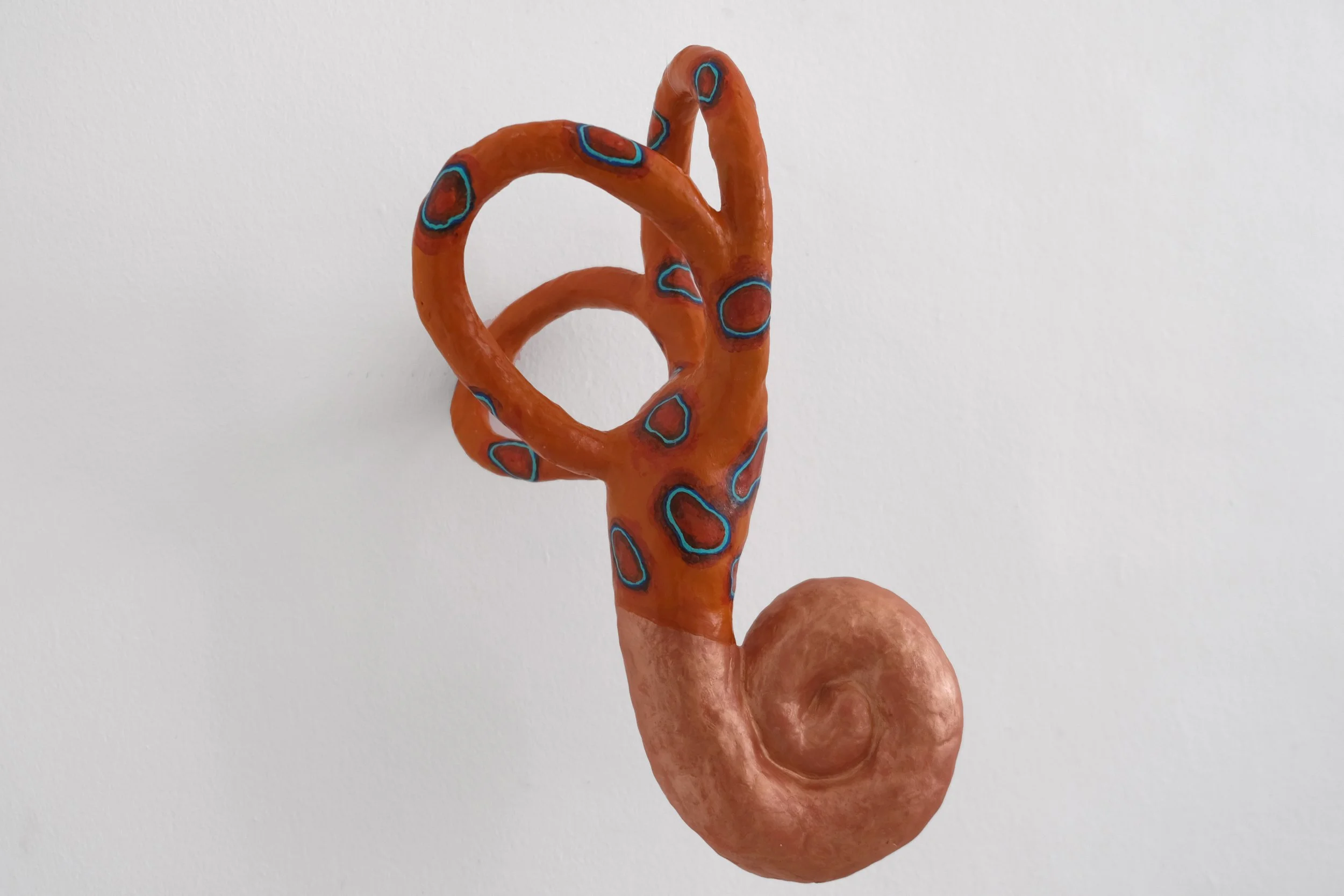
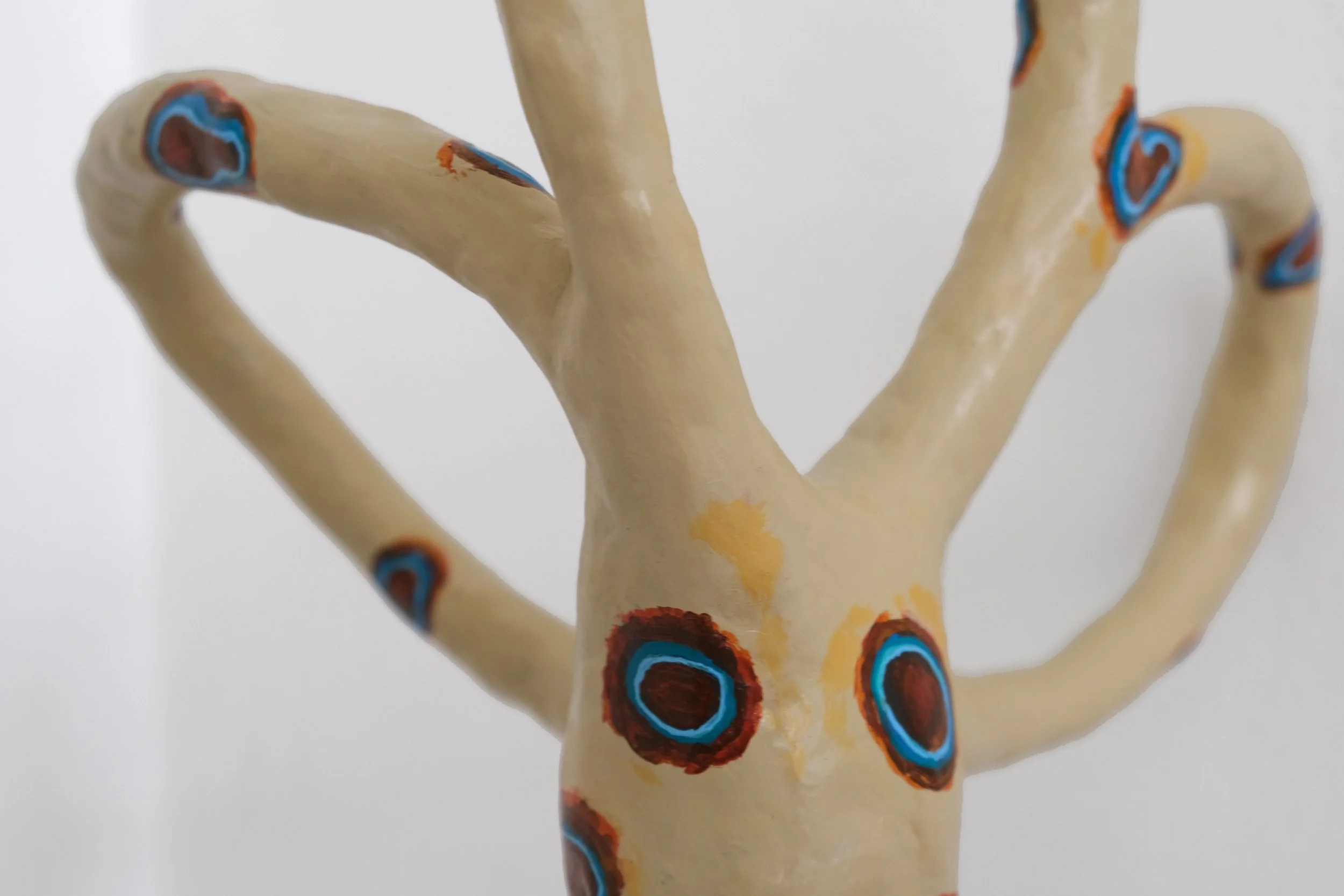
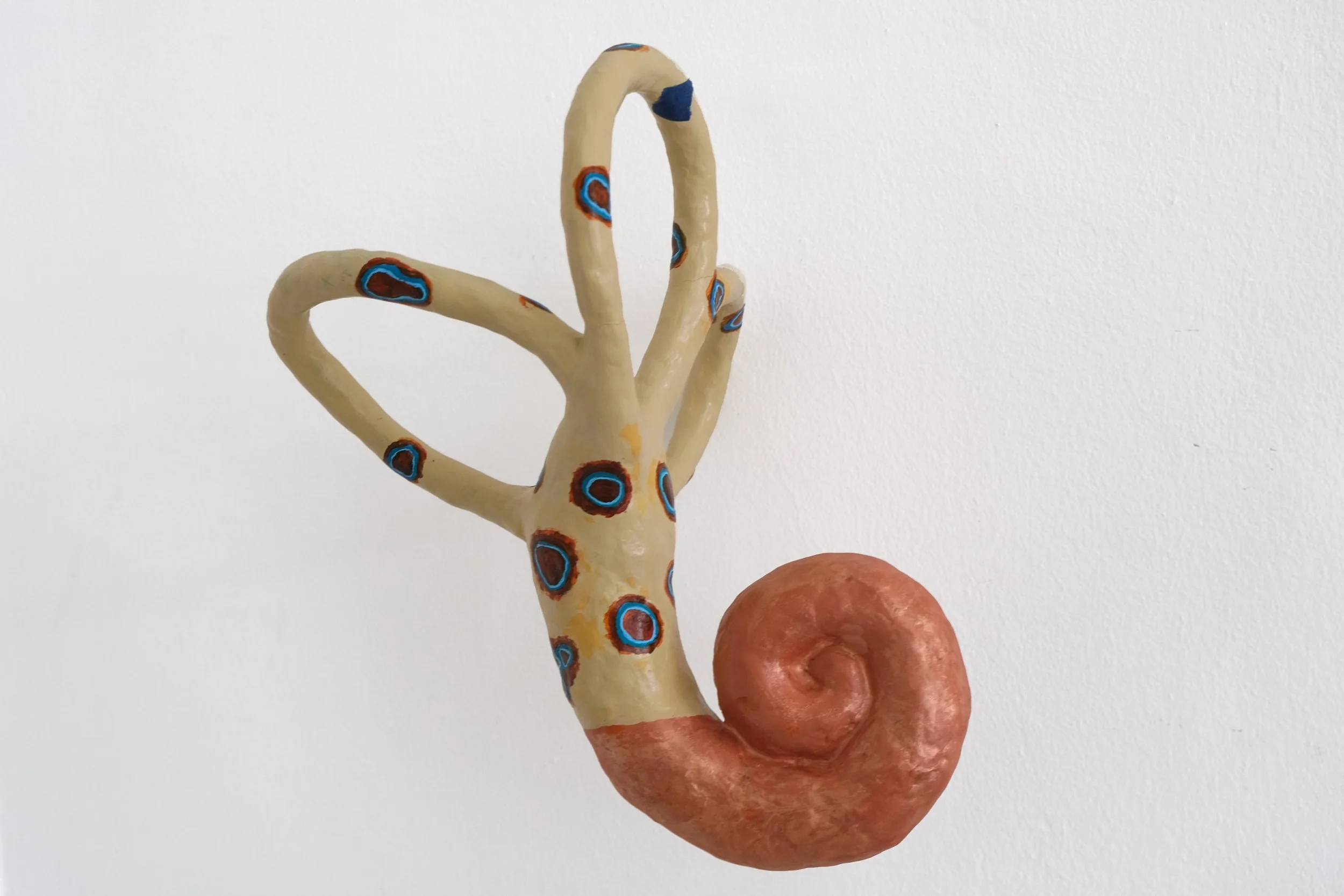
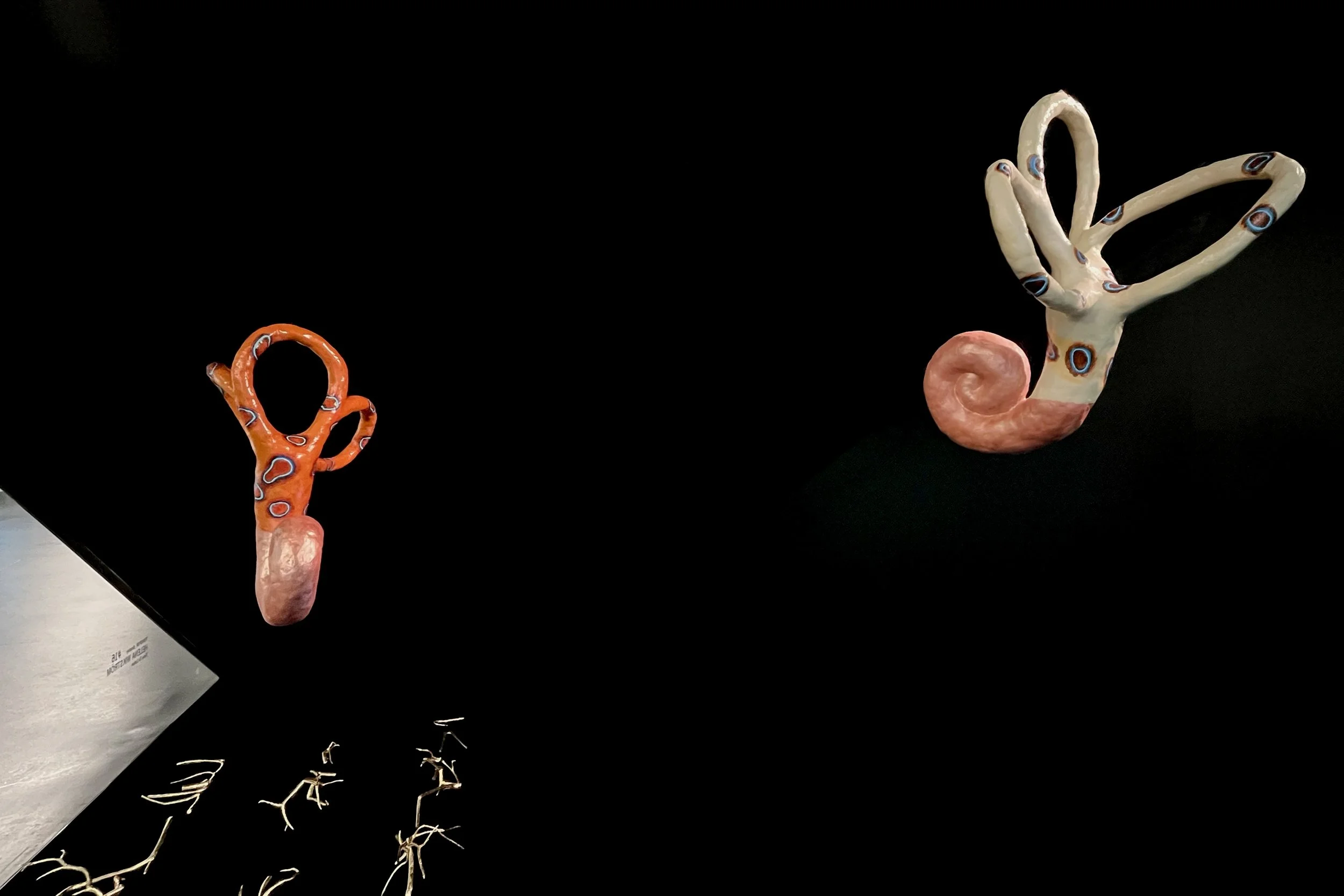
The inner structure of the human ear is anatomically named after the Greek word for shell - cochlea because of the similarity. The earshell itself (size of a garden pea) is filled with water, acts as a transducer. Its main task is to convert mechanical movements (vibrations) into electrical nerve signals that the brain then interprets.
We are the ones who fill the shell with sound – listen carefully and you will hear.
opening words by Cecilia Andersson
read here:
Many thanks to Tonspur Vienna , MQ Vienna and Konstkonsulenterna Västerbotten.
TONSPUR_display
Museumsquartier Wien
20.4 - 3. 6 2026
MQ Artist- in Residence April 2026
In his autobiography “I Confess That I Have Lived,” Pablo Neruda writes: The best thing I have collected in my life was my seashells. They enchanted me immensely with their wonderful structure: the moon-white purity of a rare porcelain combined with the great diversity of forms, adequate, gothic, functional. It is also worth noting that Sigmund Freud loved collecting seashells and that Carl Jung said in one of his lectures that all objects of our desire “tend to pull the ego out of its comfortable shell”.
Many of us have learned that it is the sea that is heard when we hold the shell of a mussel against our ear. There, between the two shells; the ear shell and the seashell something happens. A concentration – a meeting – an expectation that is awakened. The ability to carry with it a memory of a sound – a wave. The truth is that what is heard in the shell is sound from outside that resonates in the convolutions of the shell.
The inner structure of the human ear is anatomically named after the Greek word for shell - cochlea because of the similarity. The earshell itself (size of a garden pea) is filled with water, acts as a transducer. Its main task is to convert mechanical movements (vibrations) into electrical nerve signals that the brain then interprets.
We are the ones who fill the shell with sound – listen carefully and you will hear.
opening words by Cecilia Andersson
read here:
Many thanks to Tonspur Vienna , MQ Vienna and Konstkonsulenterna Västerbotten.